
Restoration, handover and protecting the deposit
A completed temporary venue occupation required restoration work after exit. The case was resolved through the condition record, repair quotations, clear communication and an adjustment to the security deposit before the remaining balance was processed. The lesson is not the amount. It is the evidence chain that prevented the close-out from becoming an unsupported argument.
Four records closed the file
Memory and goodwill were not enough.
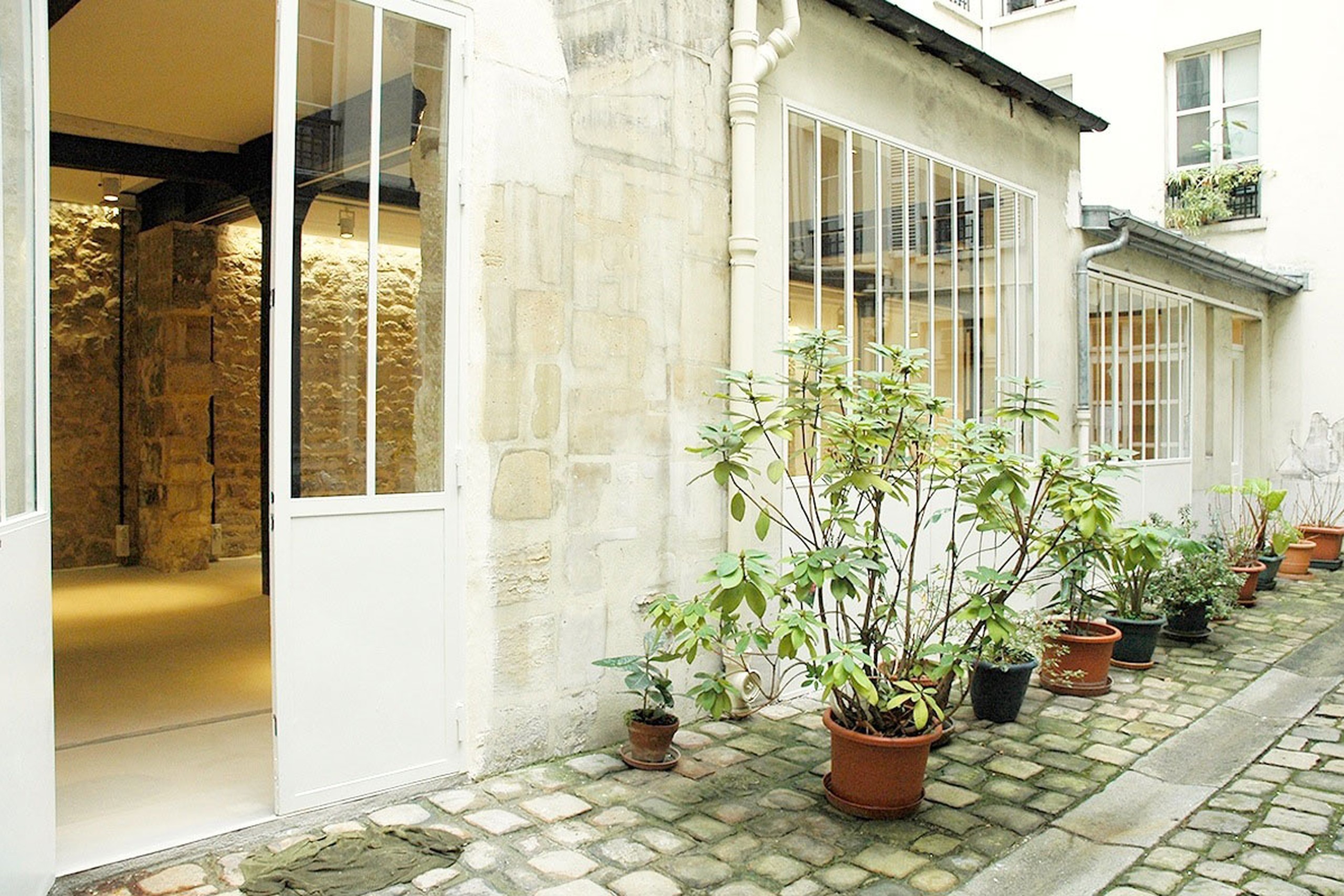
A real case, deliberately anonymised.
This account is based on completed AMONT work and focuses on the operational sequence and lesson. Names, exact location, price, deposit, repair values, owner relationships and negotiated conditions remain private.
The close-out sequence.
Commercial amounts and identities are deliberately omitted.
| Stage | Evidence or action | Why it mattered | Result |
|---|---|---|---|
| Initial handover | Existing venue condition and agreed occupation state were documented | Created a baseline for later comparison | The discussion could focus on differences rather than recollection |
| Exit inspection | Restoration needs were identified after occupation | Separated ordinary use from specific work requiring action | The issue was recorded before the file was closed |
| Quotations | Repair and restoration quotations were obtained and costs were actively optimised | Replaced arbitrary deduction with an evidenced basis | A proportionate commercial resolution could be discussed |
| Responsibility | Client, venue and coordinating parties exchanged the necessary information | Clarified process without publishing private blame | The restoration path was agreed |
| Deposit | The approved restoration amount was deducted from the security deposit | Connected the deduction to documented work | The remaining balance was processed |
| Closure | Venue close-out and deposit treatment were completed | Prevented an open-ended operational file | Case closed |
Three controls protected the resolution.
They should exist before damage is discovered.
Build the baseline at entry
Photographs, written observations, keys, furniture, surfaces and existing marks create a shared record. A rushed check-in leaves both client and venue exposed when the exit condition is disputed.
Use quotations, not estimates from memory
Repair quotes should describe the work and provide a basis for discussion. Cost optimisation is part of fair close-out; it does not remove the responsibility to restore the agreed condition.
Keep the deposit process explicit
State what is being retained, why, which evidence supports it and how the remaining balance will be handled. Silence turns a solvable restoration file into distrust.
The deposit is protected before occupation, not after damage.
The strongest protection is a complete condition record, agreed restoration standard and clear handover process. Quotes and communication can then resolve a real issue without publishing private amounts or allowing one party to invent the baseline later.
Restoration and deposit checklist.
Use from contract to final release.
This field note describes one completed resolution. It does not define every deposit, damage issue or legal responsibility; the applicable contract and evidence govern each case.
Continue with the next decision.
Use these guides to define handover evidence, rental conditions and the operational brief before occupation.
Sources reviewed · 25 August 2026. This article is based on a real anonymised completed AMONT case; identities, financial amounts and negotiated conditions remain confidential · AMONT venue-rental conditions · AMONT Resource Center handover guidance.
Put the handover process in the brief before the keys move.
AMONT can help compare venue conditions and coordinate the practical information required for a clean occupation and close-out.