
Venue sourcing in Paris
Venue sourcing is the work between a vague request and a space that can actually operate. AMONT searches public listings, direct owner relationships and off-market opportunities for showrooms, pop-ups, launches, press days, events and brand projects in Paris. The objective is not to send the longest list. It is to identify the few options that fit the audience, use, timing, district, budget and production reality of the brief.
What venue sourcing actually means
A directory shows what exists. A sourcing process decides what deserves the client’s time. That difference becomes critical when dates are fixed, the project has technical constraints or the obvious public options are already unavailable.
Turn the request into a working brief
“A beautiful place in the Marais” is not a usable search instruction. Sourcing converts the request into dates, use, audience, surface, location logic, access, technical requirements, budget and decision criteria.
Look beyond one inventory
The search can combine AMONT’s public portfolio, partner venues, direct owner outreach, galleries, boutiques, private spaces and opportunities that are not marketed as temporary venues.
Remove attractive but unusable options
Availability alone is not enough. Sourcing checks whether the proposed use, access, capacity, frontage, layout, neighbourhood, timing and commercial terms can support the project.
Make trade-offs visible
No venue wins every criterion. A useful shortlist explains what each option gives, what it compromises and which risk the client is accepting by choosing it.
Open the right owner conversation
AMONT presents the project accurately, confirms real interest and keeps commercial discussion grounded. Vague introductions waste the owner’s time and weaken the client’s position.
Clarify the terms before commitment
Dates, access, use, deposit, insurance, cleaning, signage, furniture, technical equipment and reinstatement must be understood before the space becomes part of the operating plan.
Public portfolio, targeted search or off-market?
The correct route depends on how unusual, sensitive or time-constrained the project is. Off-market is not automatically better; it is useful when the public market cannot answer the brief cleanly.
Use it when the brief already fits the market
Use it when the obvious market is not enough
OFF-MARKET ACCESS IS A SEARCH METHOD, NOT A GUARANTEE OF SECRET INVENTORY, LOWER PRICING OR AVAILABILITY. THE QUALITY OF THE RESULT STILL DEPENDS ON THE DATES, BUDGET, BRIEF AND OWNER INTEREST.
The best sourcing result is not the most options. It is the clearest decision.
A long inventory dump transfers the work back to the client. A strong shortlist reduces noise, explains the trade-offs and protects the project from choosing a venue for the wrong reason.
From first brief to a venue that can be secured
The process is deliberately selective. The fastest way to lose time is to begin outreach before the project, authority and budget are clear.
Challenge the brief
Clarify the commercial objective, audience, dates, district logic, usable surface, production needs, budget and approval process. Identify contradictions before the market does.
Build the search universe
Combine public venues, owner relationships, partner spaces and targeted categories. Decide which leads deserve outreach and which are structurally wrong.
Confirm fit and availability
Check dates, use, access, restrictions, layout, capacity, neighbourhood and commercial expectations. Remove options that only work in photographs.
Present the strongest options
Show the decision logic, not just the images. Explain why each venue is included, where it compromises and what needs confirmation.
Inspect the reality
Test arrival, circulation, usable surface, loading, back-of-house, light, power, internet and building constraints. Update the assessment from the visit.
Align the commercial terms
Confirm the offer, access, deposit, insurance, existing equipment, signage, cleaning and handover expectations before the client commits.
Transfer the facts to operations
Make sure the production or client team receives the confirmed venue conditions, not assumptions created during the search.
Plan the exit early
Removal, cleaning, damage review and reinstatement belong in the venue decision from the beginning, not after the final guest leaves.
What AMONT checks before an option reaches the shortlist
The exact checks change by project, but the same categories expose most venue risk: commercial relevance, physical fit, access, technical capacity and the reality of the rental terms.
Need → sourcing route
The same search method does not work for every project. This matrix shows where AMONT would normally begin—not a rigid rule, but a useful way to frame the assignment.
What a venue sourcing assignment can include
The scope should be explicit. Sourcing can cover discovery and shortlist only, or continue through visits and commercial coordination. Production, legal advice and venue operation are separate unless specifically agreed.
AMONT’S COMMERCIAL TERMS DEPEND ON THE PROJECT, SEARCH SCOPE AND PARTIES INVOLVED. THEY SHOULD BE CONFIRMED BEFORE THE ASSIGNMENT BEGINS. VENUE SOURCING IS NOT LEGAL, TAX, SAFETY OR TECHNICAL CERTIFICATION.
Public venues that illustrate the search spectrum
These spaces are examples from the AMONT public portfolio, not a live shortlist. A sourcing recommendation depends on the actual dates, use, budget and availability.
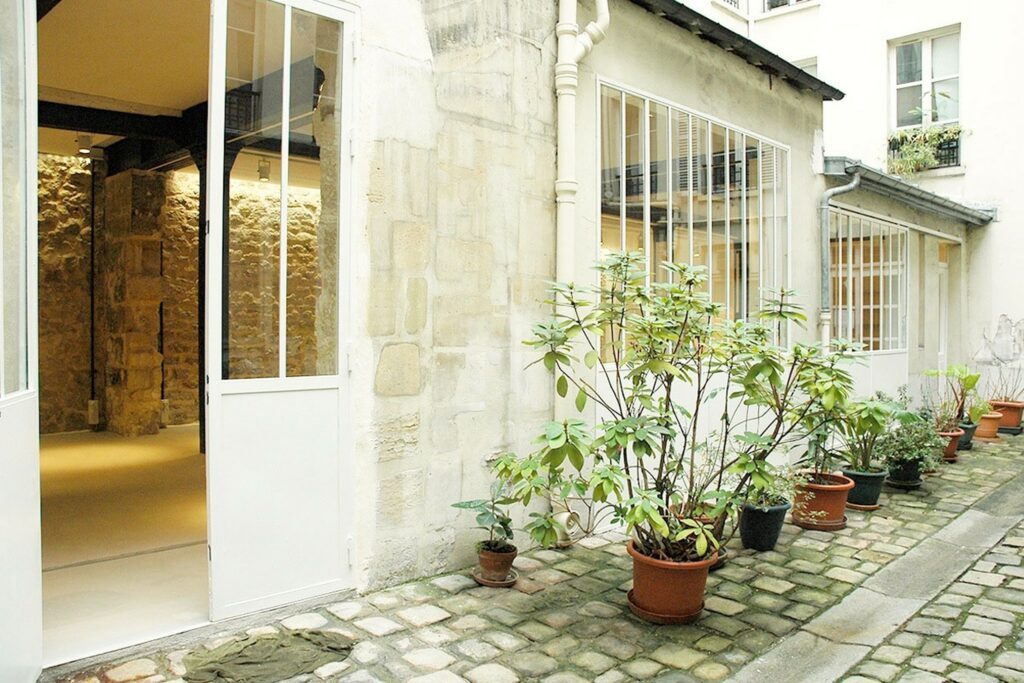
A private courtyard showroom with a long enfilade, Paris stone and controlled arrival for appointment-led projects.
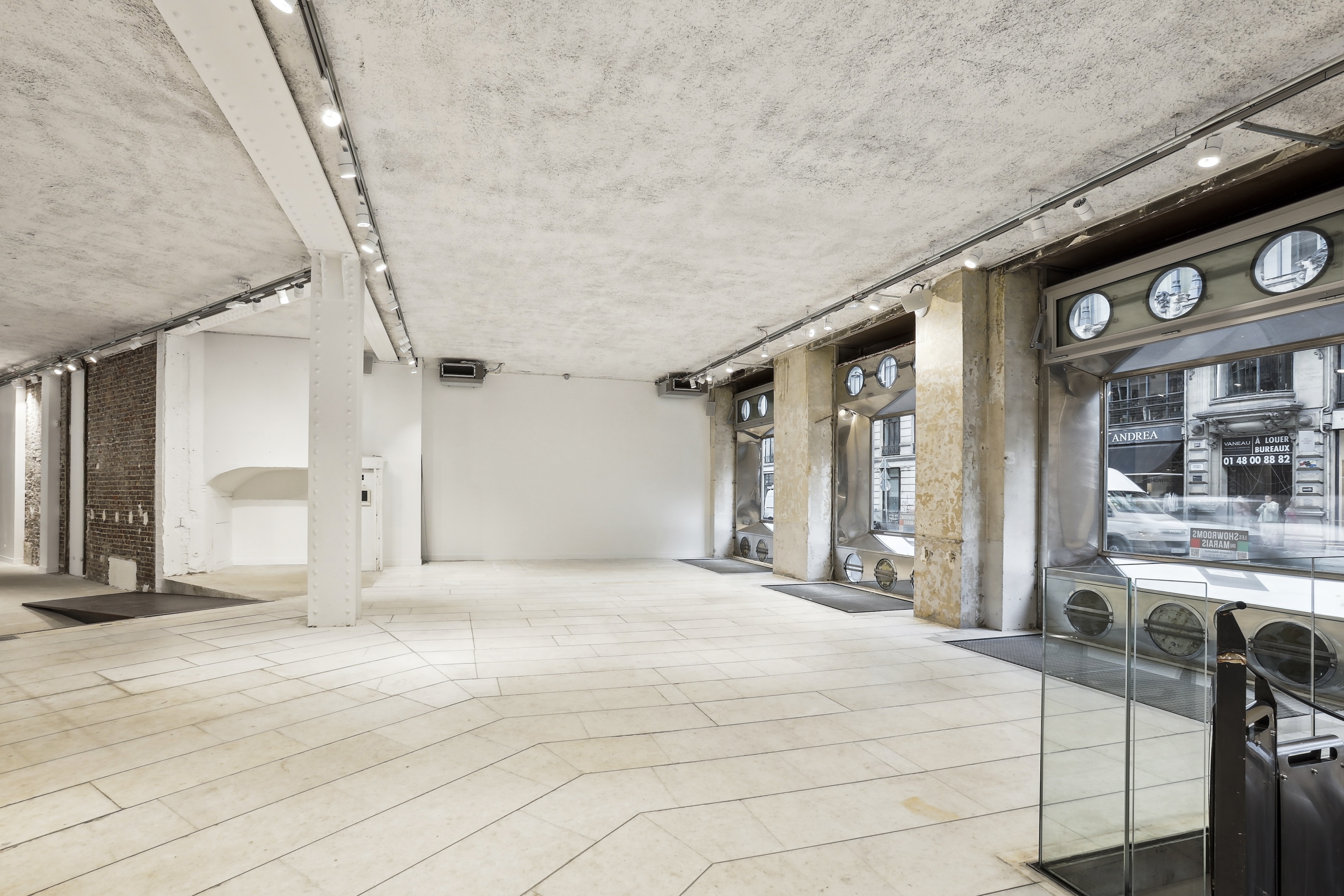
A large 1898 corner building with wraparound frontage, two levels and the capacity for launches, showrooms and events.
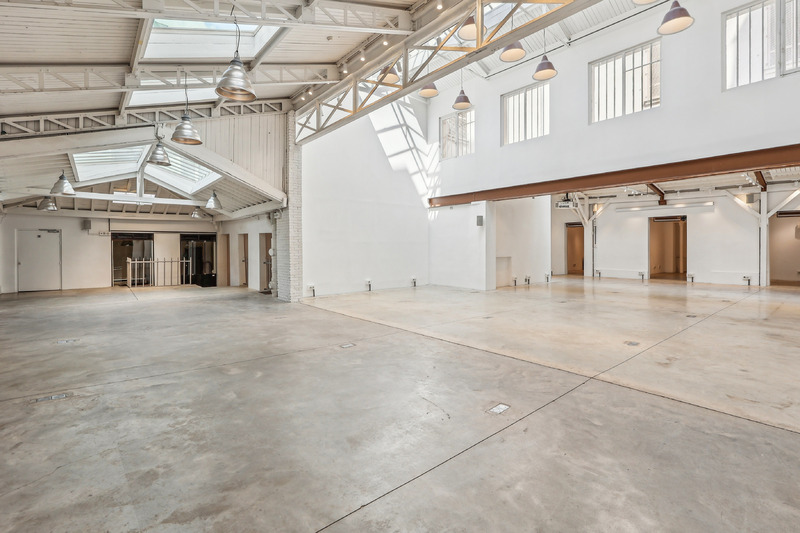
Former canal stables with four skylights, Eiffel-style structure and the scale required for ambitious production.
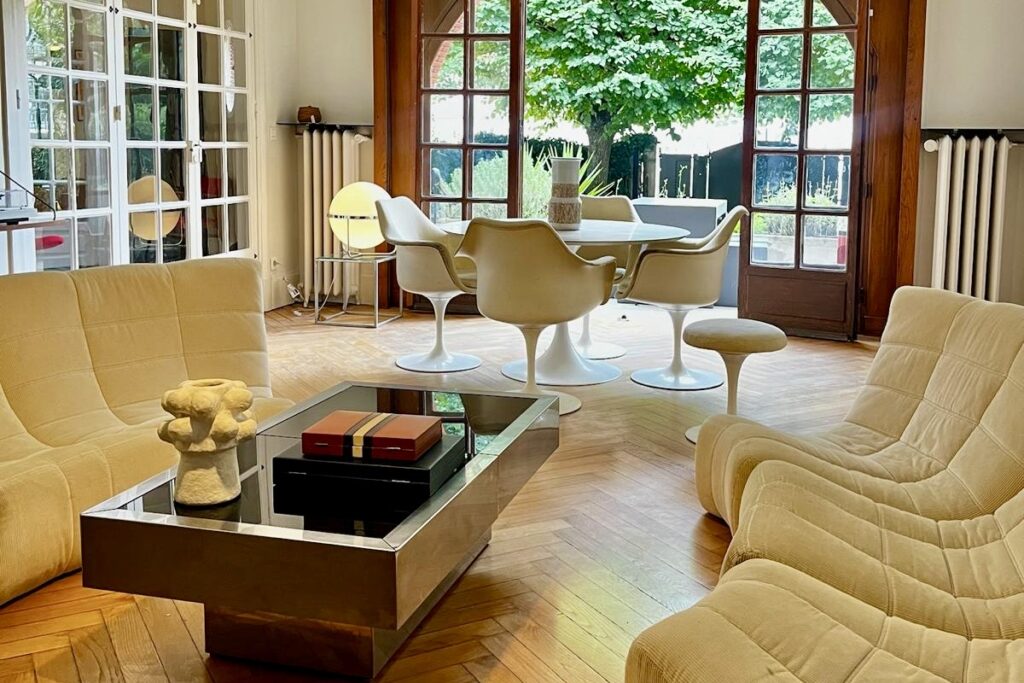
A private residential setting with courtyard, garden, original parquet and warm character for editorial or discreet events.
Frequently asked questions
Direct answers to the questions brands ask before commissioning a venue search in Paris.
What is venue sourcing in Paris?
Venue sourcing is a targeted search and qualification process for finding a space that fits a project’s dates, use, audience, district, usable surface, budget and operating requirements. It can include public inventory, direct owner outreach and off-market opportunities.
Does AMONT only propose venues listed on its website?
No. The public portfolio is a starting point, not the entire Paris market. Depending on the brief, AMONT can also approach partner venues, galleries, boutiques, private spaces and owners through targeted or off-market outreach.
What types of projects can AMONT source venues for?
AMONT works on Fashion Week showrooms, wholesale presentations, pop-up stores, launches, press days, cocktails, brand events, shoots and other temporary physical projects. The search route changes according to the audience and operational model.
How quickly can AMONT produce a shortlist?
Timing depends on the clarity of the brief, project complexity, season and how much direct outreach is required. A public-portfolio search can move faster than an unusual off-market assignment. AMONT should confirm the realistic search timetable after reviewing the brief.
Is an off-market venue always better or cheaper?
No. Off-market means the opportunity is not being broadly marketed; it does not guarantee lower pricing, exclusivity, availability or a better operational fit. It is valuable when the public market cannot answer a specific brief.
What information is required to start a venue search?
Exact dates and access hours, project purpose, audience, preferred and acceptable districts, usable surface, frontage or technical needs, working budget, decision deadline and the names of the people authorised to approve the venue.
Does venue sourcing include negotiation and contracts?
The agreed scope may include commercial coordination and clarification of the offer. Final contracts are made between the relevant parties, and legal, tax, safety or technical advice should be obtained from qualified professionals where required.
How does AMONT charge for venue sourcing?
Commercial terms depend on the project, the search scope and the parties involved. The fee or commission structure should be confirmed transparently before the sourcing assignment begins.
Send the real brief. Get a search route that matches the project.
Tell Anselme the dates, use, audience, preferred district, usable surface, total working budget and decision deadline. AMONT will tell you whether the public portfolio is enough, whether targeted outreach makes sense and what has to change before a credible search can begin.