
Footfall or destination: how to choose a Paris pop-up location
Footfall is valuable only when the passing audience can understand, enter and convert. A destination venue can outperform a busy street when the brand already controls demand and needs more space, privacy or production freedom. The wrong model pays for traffic it cannot use—or saves on rent while leaving the venue empty.
Four questions decide the model
Traffic volume is only one variable.
Two demand systems, different venue economics.
A hybrid is possible, but one channel should remain primary.
| Decision | High-footfall storefront | Destination venue | Hybrid |
|---|---|---|---|
| Audience source | Existing street movement filtered by product and window | Invitations, community, press, media, appointments or programmed demand | Street discovery plus planned peaks |
| What rent buys | Frontage, immediate discovery and retail context | More space, architecture, privacy or technical capability | Moderate visibility with operational flexibility |
| Core competence | Window communication, threshold conversion and daily sales | Acquisition, RSVP, programming and punctual attendance | Coordination between open retail and timed activity |
| Main risk | High rent for irrelevant or low-intent pedestrians | Under-attendance because the demand plan is weaker than assumed | Two operating models competing for staff and floor area |
| Best evidence | Block visits, neighbour mix, direction, hours and observed customer fit | Invitation base, prior response, campaign reach and booking data | A day-by-day demand and staffing plan |
Test relevance before paying the street premium.
Visit with the product and opening plan in mind.
Observe direction and rhythm
Count nothing you cannot verify, but watch where people come from, which side of the street carries movement, when the block changes and how often neighbouring windows produce entry.
Run the three-second test
From the pavement, can a new customer identify the brand category, the proposition and the entrance? Glare, recesses and ambiguous privacy signals can neutralise excellent frontage.
Match price and behaviour
Tourists, local residents, fashion professionals and office workers have different intent, time and basket logic. Broad activity is not the same as qualified demand.
Choose the cheapest reliable source of qualified attention.
Sometimes that is a prime storefront. Sometimes it is a stronger venue plus invitations, media, creators, partnerships and programming. The decision is commercial, not ideological.
Score each candidate on the same evidence.
A simple decision sheet is stronger than impressions collected on separate visits.
THE LIVE LE MARAIS POP-UP GUIDE PROVIDES A DISTRICT-SPECIFIC STARTING POINT. ALWAYS RECHECK THE EXACT BLOCK.
Public examples from street-led to destination-led.
These public pages illustrate format and location. They are not availability statements or AMONT's complete inventory.
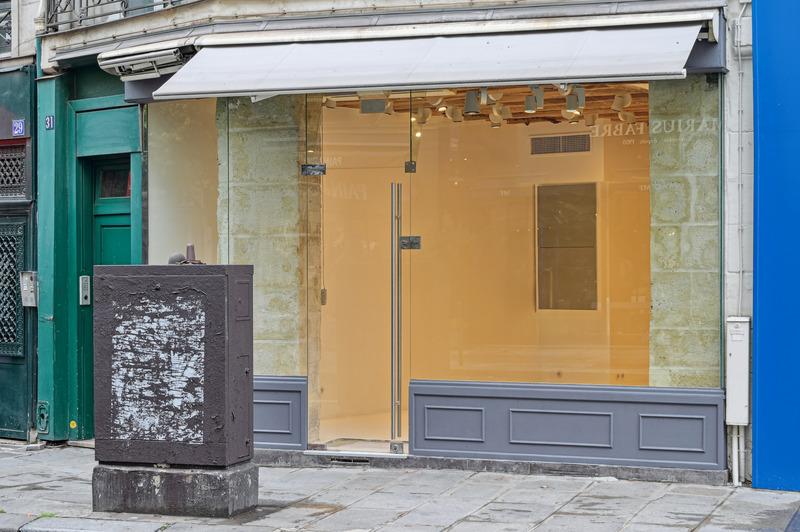
Francs-Bourgeois Flagship
A fully glazed retail address on a major Marais shopping corridor for public-facing pop-ups and launches.
View public venue →
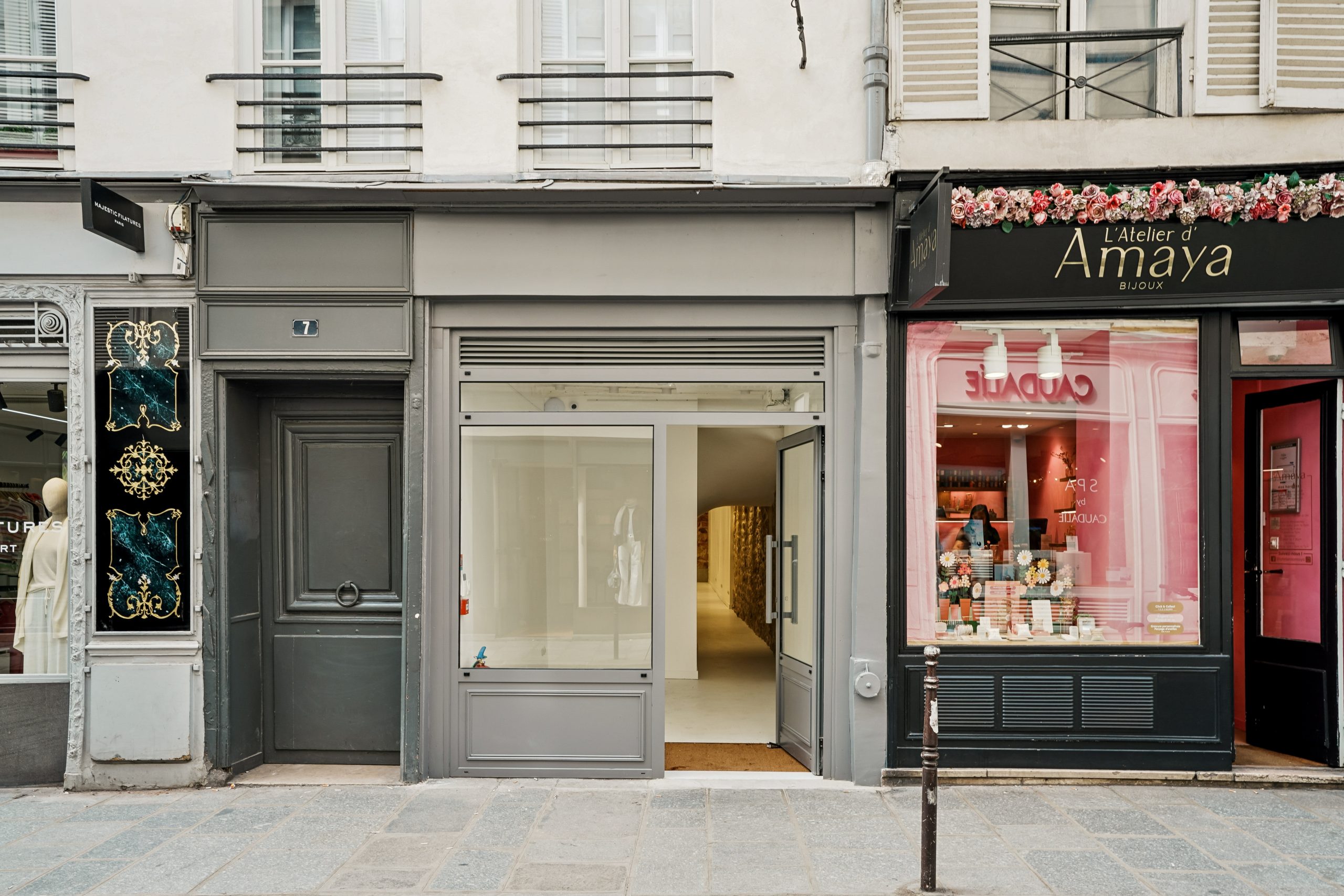
Shop 31 Turenne
A compact corner boutique at Turenne and Francs-Bourgeois with strong glazing and a distinct historic interior.
View public venue →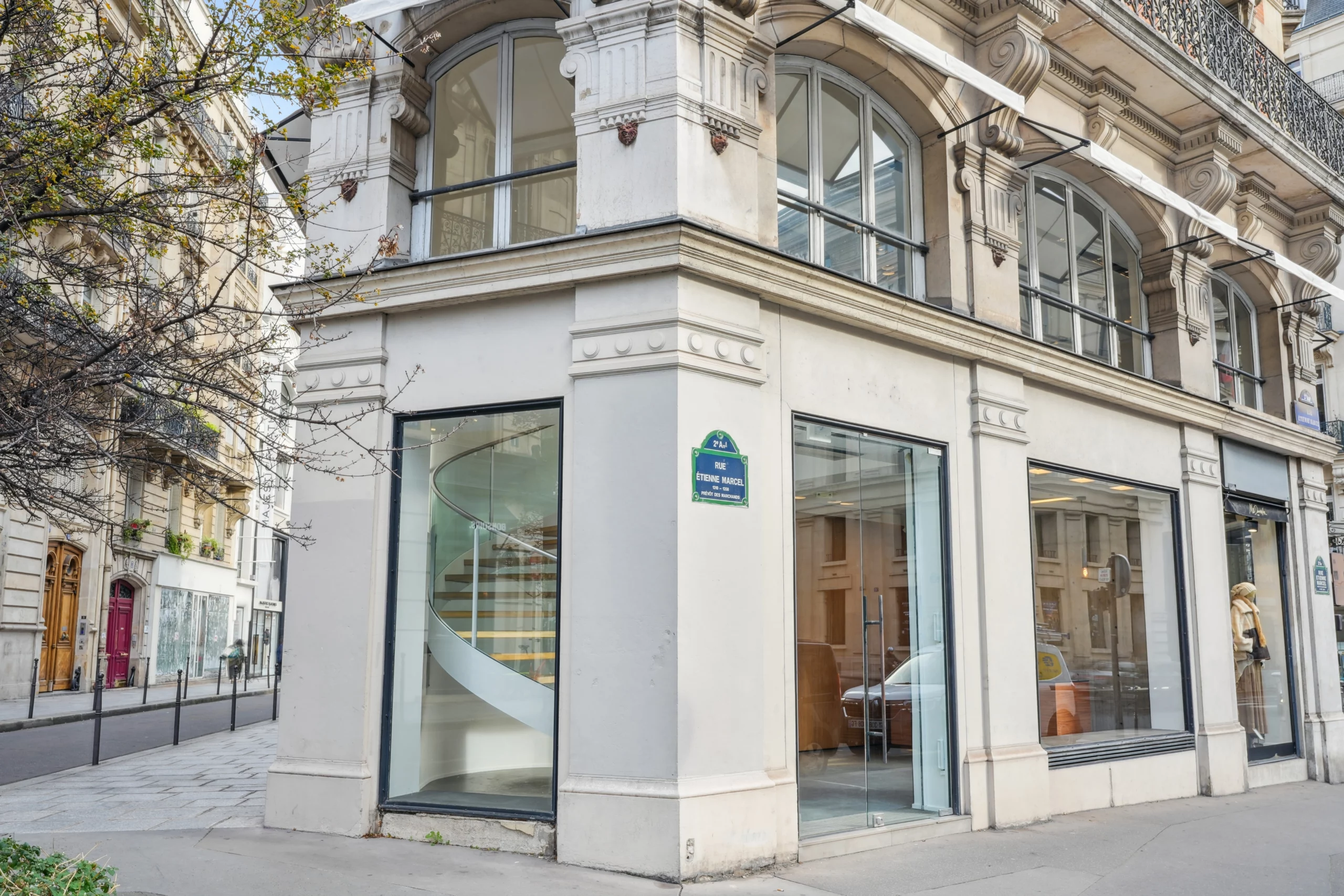
Boutique Étienne Marcel
A central two-level corner boutique with multiple sightlines for retail, launches and showroom crossover.
View public venue →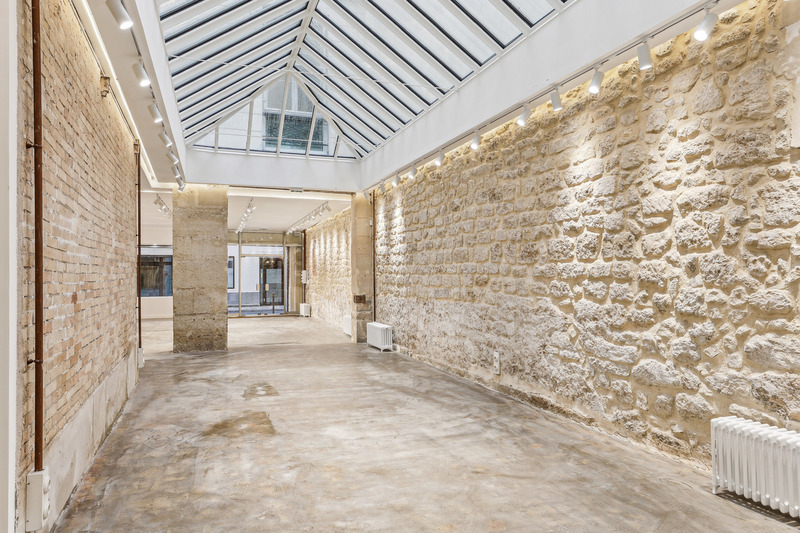
Gallery 23 Sentier
A characterful duplex gallery with a full skylight roof, suited to showrooms, press days and destination pop-ups.
View public venue →Continue with the next decision.
Only verified live AMONT resources are linked before publication.
SOURCE NOTE · VERIFIED 24 AUGUST 2026. AMONT pop-up store rental pillar and district table · AMONT Le Marais pop-up guide · Paris tourism office guide to the Marais · AMONT approved field knowledge on relevant traffic, frontage and destination acquisition. EXTERNAL FACTS ARE SEPARATED FROM AMONT FIELD JUDGEMENT. VERIFY DATE-SENSITIVE OR REGULATORY POINTS AGAIN BEFORE PUBLICATION.
Brief the demand model with the venue.
Tell AMONT who should come, how they will discover the pop-up, the target action, product, public hours, required space, district flexibility and total budget. The shortlist can then compare traffic, acquisition and operations honestly.