
Pop-up store rental in Paris
A Paris pop-up store is a temporary retail operation, not simply a photogenic room with a street door. The right space must support visibility, product display, public access, stock, payments, staffing and the daily reality of opening to customers. AMONT sources short-term boutiques and pop-up spaces in Le Marais, Haut Marais and central Paris, then filters them against the commercial brief rather than the image alone.
What kind of Paris pop-up are you opening?
“Pop-up store” covers very different commercial models. A three-day product launch, a two-week retail test and a Fashion Week activation should not be briefed as the same project.
Impact in a short window
The space has to create a clear arrival, strong visual merchandising and enough operational support for press, creators, clients and content production. The first impression matters, but guest flow and stock discipline still decide whether the day works.
Learn before committing
A temporary boutique can test demand, price points, customer behaviour and neighbourhood fit before a permanent lease. The useful data is not only turnover: track traffic, conversion, average basket, product questions and repeat intent.
Experience with a commercial spine
Community events, workshops and installations can generate attention, but the format needs a clear reason to enter and a controlled path from discovery to product, sign-up or sale. Avoid building an event that leaves the merchandise invisible.
Private meetings, public presence
A street-level boutique can combine buyer appointments with temporary sales. This requires zoning: the public should understand the store while wholesale meetings remain calm, confidential and operationally separate.
Nine questions that reveal whether a pop-up space will actually sell
Frontage attracts attention. The rest of the venue determines whether a passer-by enters, understands the offer, buys and leaves without creating operational chaos.
A pop-up is a temporary store, not a temporary event backdrop.
The strongest activations combine image with retail discipline. The street earns attention; the product, team and operating plan convert it into a useful commercial result.
Where should you rent a pop-up store in Paris?
Paris retail changes street by street. Choose the district for audience fit and commercial context, then judge the exact frontage, neighbouring stores and pedestrian direction at the hours you plan to open.
How much space does a Paris pop-up store need?
Plan from the customer journey, fixtures and reserve — not from a generic square-metre target. A compact street-level boutique can outperform a larger space when the window, layout and stock rhythm are coherent.
Compact boutique
Suitable for accessories, beauty, a capsule collection or a tightly curated launch with limited stock and one clear retail story.
Independent brand
A useful range for fashion, footwear, design or lifestyle retail with fixtures, checkout, fitting and a modest reserve.
Full brand world
Allows several product zones, stronger scenography, community moments and separation between the customer floor and team operations.
Large experience
Appropriate when the concept includes installations, programming, press or significant daily traffic. Large space requires a strong acquisition plan.
How much does it cost to rent a pop-up store in Paris?
Short-term retail pricing is driven by street, frontage, dates, duration and approved use. A compact prime boutique can cost more than a much larger destination venue because the commercial value sits in the address and pedestrian exposure.
Budget for the operation, not only the keys.
What must be confirmed before opening a Paris pop-up?
A signed rental agreement is not an operating plan. Public-facing retail introduces questions that a private showroom may never encounter.
Confirm in writing
Prepare separately
How AMONT turns a retail brief into a Paris shortlist
Set the commercial objective
We clarify whether the priority is revenue, market testing, awareness, press, community or a wholesale-retail crossover — and how success will be judged.
Match audience to street
District, immediate neighbours, pedestrian direction, transport and opening rhythm are compared against the product and target customer.
Remove operational failures
Frontage, approved use, reserve, checkout, access, signage, total terms and project risk are reviewed before a venue becomes a serious option.
Move from venue to opening plan
Once selected, the offer, contract, deposit, insurance, fit-out boundaries, handover and daily access need a controlled sequence.
Selected pop-up stores for rent in Paris
Four street-level formats from a compact Rue Charlot white box to a flagship Francs-Bourgeois address. Availability and terms depend on dates and intended use.
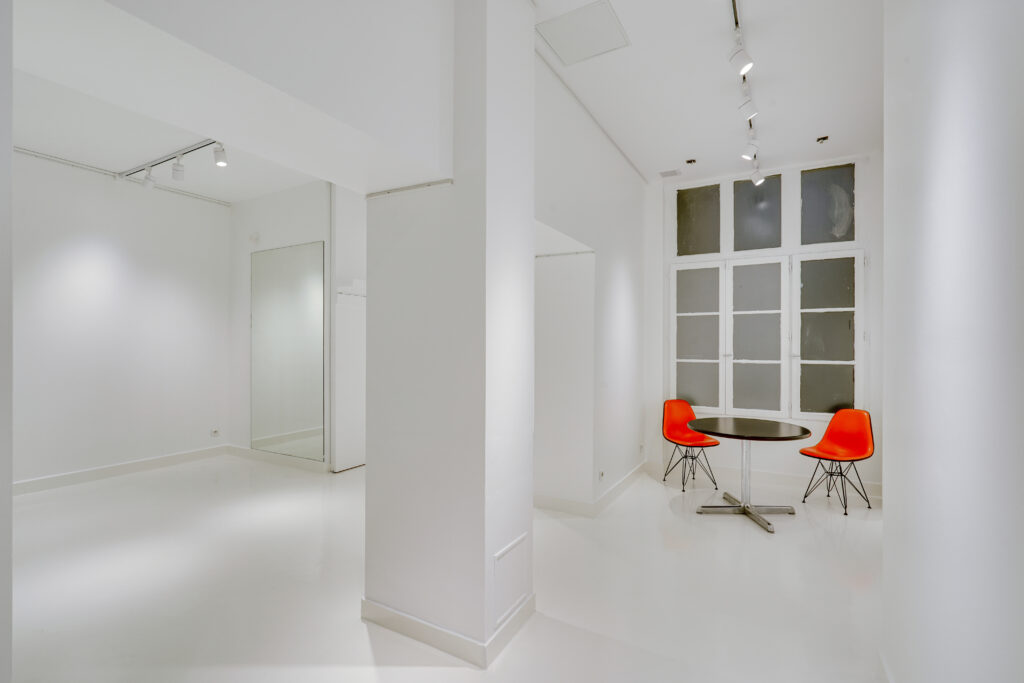
White-box boutique with full street frontage and a private back room, built for compact launches and focused retail.
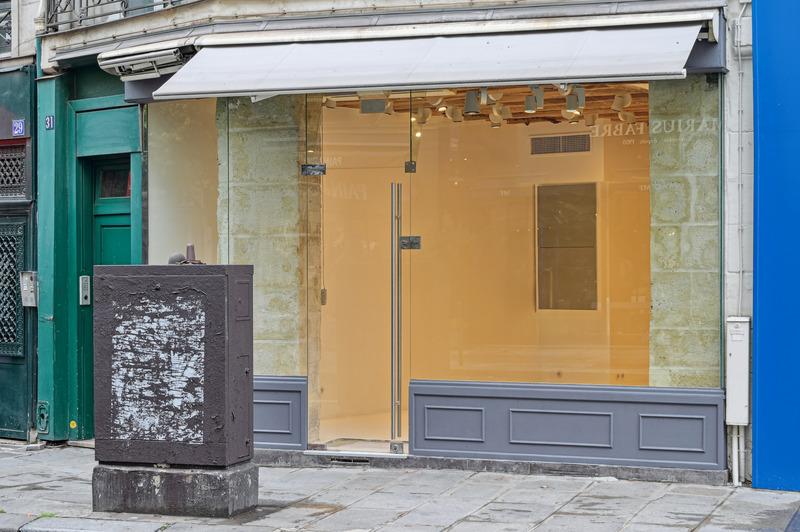
Corner gallery boutique with large windows, exposed stone, wooden beams and a basement reserve off the selling floor.
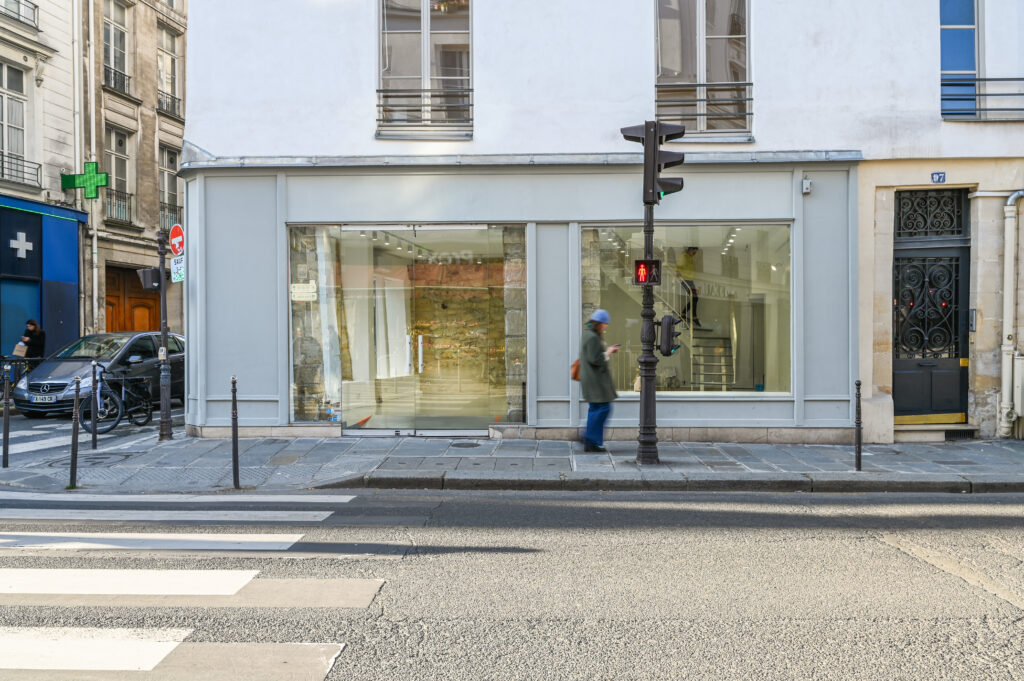
Wraparound corner windows, two bright levels and a basement reserve for retail, appointments and press activity.
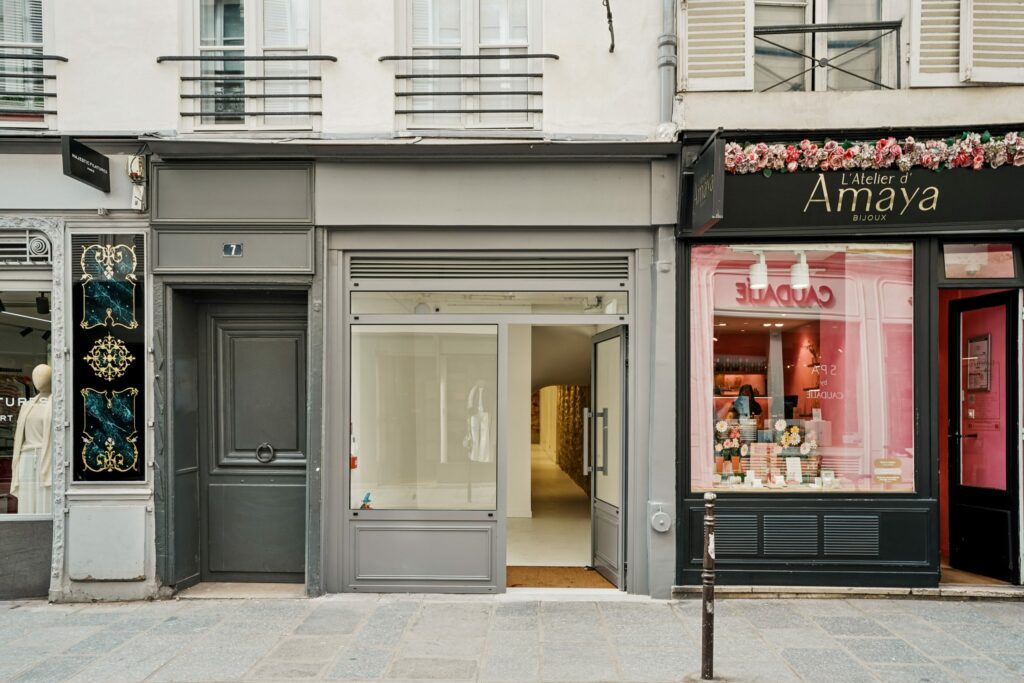
Full glazed frontage on one of the Marais’ highest-footfall retail streets, with two levels for public retail and support.
Frequently asked questions
Direct answers to the questions brands ask before renting a temporary retail space in Paris.
How much does it cost to rent a pop-up store in Paris?
AMONT uses a broad working benchmark of approximately €6,000 to €50,000 or more for short-term venue rental, depending on the street, frontage, surface, duration, season and approved use. Fit-out, staff, security, logistics, insurance, cleaning and reinstatement should be budgeted separately. This is an indicative market range, not a tariff or quote.
Which Paris district is best for a pop-up store?
There is no universal best district. Francs-Bourgeois offers heavy public retail traffic; Rue de Turenne and Rue Charlot combine fashion credibility with local and professional audiences; Étienne-Marcel and Montorgueil offer central connectivity and broader pedestrian flow. The correct street depends on product, price, target customer and operating hours.
Can I rent a Paris pop-up store for one day or one week?
Some venues accept one-day launches or press activations, especially outside peak periods. For public retail, several days or weeks are often more commercially rational because installation, staff training, stock and customer acquisition create fixed costs. During Fashion Week, owners may prioritise multi-day packages.
What is the difference between a pop-up store and a showroom?
A pop-up store is normally public-facing and retail-led, so frontage, opening hours, stock, payment, customer safety and daily operations are central. A showroom is commonly private or appointment-led for buyers, press or presentations. Some boutiques can support both when the layout and approved use are clear.
Do I need permission to sell products in a temporary Paris space?
The answer depends on the venue, the activity, the company’s retail and tax setup, any proposed works and the way the public is received. Confirm authorised use, accessibility, safety, signage and commercial obligations with the owner and the relevant qualified advisers before opening.
What should be included in a pop-up rental agreement?
Confirm exact dates and access hours, approved activity, existing equipment, utilities, internet, alarm, capacity, stock areas, façade and signage rules, insurance, deposit, inventory, cleaning, waste, damage and reinstatement. Never assume that a “turnkey” space includes retail fixtures or operational services.
Can AMONT source pop-up stores that are not listed online?
Yes. The public AMONT portfolio is not the entire Paris market. Depending on the dates, budget and quality of the brief, AMONT can approach owners, galleries, boutiques and partner spaces through its private and off-market network.
Send the real retail brief. Get a realistic Paris shortlist.
Tell Anselme the dates, product, public opening plan, target audience, preferred district, selling-floor requirement and total working budget. AMONT will identify what is viable, what is missing and which public or off-market spaces deserve attention.